
Sunflower oil shipments from the Black Sea are facing delays and a rare cancellation, while Indian buyers are increasing palm oil purchases. Nigerian food processors and importers should use the development to review origin, delivery and substitution terms before confirming edible-oil supply.
What changed in the Black Sea trade
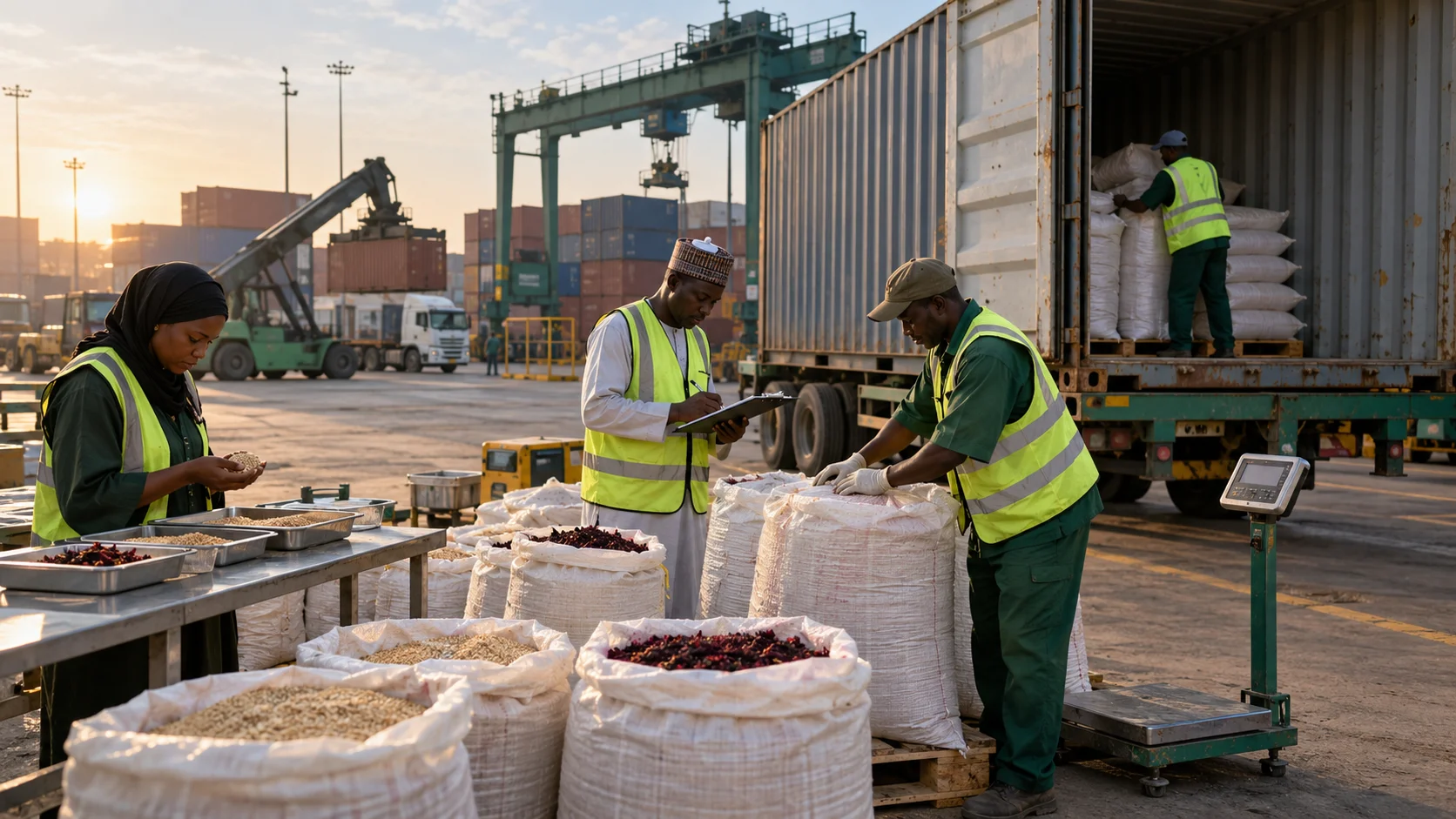
Reuters reported on 7 October that a 20,000-metric-tonne Russian sunflower oil cargo bound for India had been cancelled after damage to Black Sea port infrastructure prevented delivery. Trade sources also reported delays affecting about 60,000 metric tonnes from Russia and Ukraine.
The figures came from an industry official and trade sources, rather than published customs data. Reuters updated the report on 8 October.
Russian sellers were considering Baltic ports such as St Petersburg and Ust-Luga. Sandeep Bajoria, president of the International Sunflower Oil Association, told Reuters that the alternative route would add about 10 days to the voyage and raise freight costs. The report did not publish a route-specific freight quotation.
An unnamed New Delhi dealer estimated that India needed about 250,000 metric tonnes of sunflower oil imports each month, while October arrivals could fall to 160,000 metric tonnes. Reuters also reported that Indian buyers purchased 150,000 metric tonnes of crude palm oil in three days for November and December delivery to the country’s east and west coasts.
The wider vegetable-oil forecast also tightened
The USDA World Agricultural Supply and Demand Estimates, released on 9 October, lowered its 2026/27 world vegetable-oil production forecast to 243.16 million metric tonnes from 245.36 million in September. It also reduced projected trade to 90.76 million metric tonnes from 92.13 million and ending stocks to 29.92 million from 30.80 million.
These USDA figures cover vegetable oils as a group. They do not measure a Nigerian spot price or isolate the delayed sunflower cargoes. The Reuters report and USDA forecast do, however, show why buyers should avoid relying on one origin, one route or an old quotation.
Compare replacement oils on the same basis
A palm oil offer is not directly comparable with a sunflower oil offer until the product and trading basis are clear. Record whether the oil is crude, refined, bleached, deodorised or fractionated. State the origin, quantity, currency, price per metric tonne, Incoterm, loading port, destination, shipment window and quote expiry.
Keep FOB and CIF offers separate. An FOB price leaves the buyer to arrange ocean freight and insurance, while a CIF price includes them up to the named destination port. Neither basis automatically includes every Nigerian port, clearance, storage or inland-delivery cost.
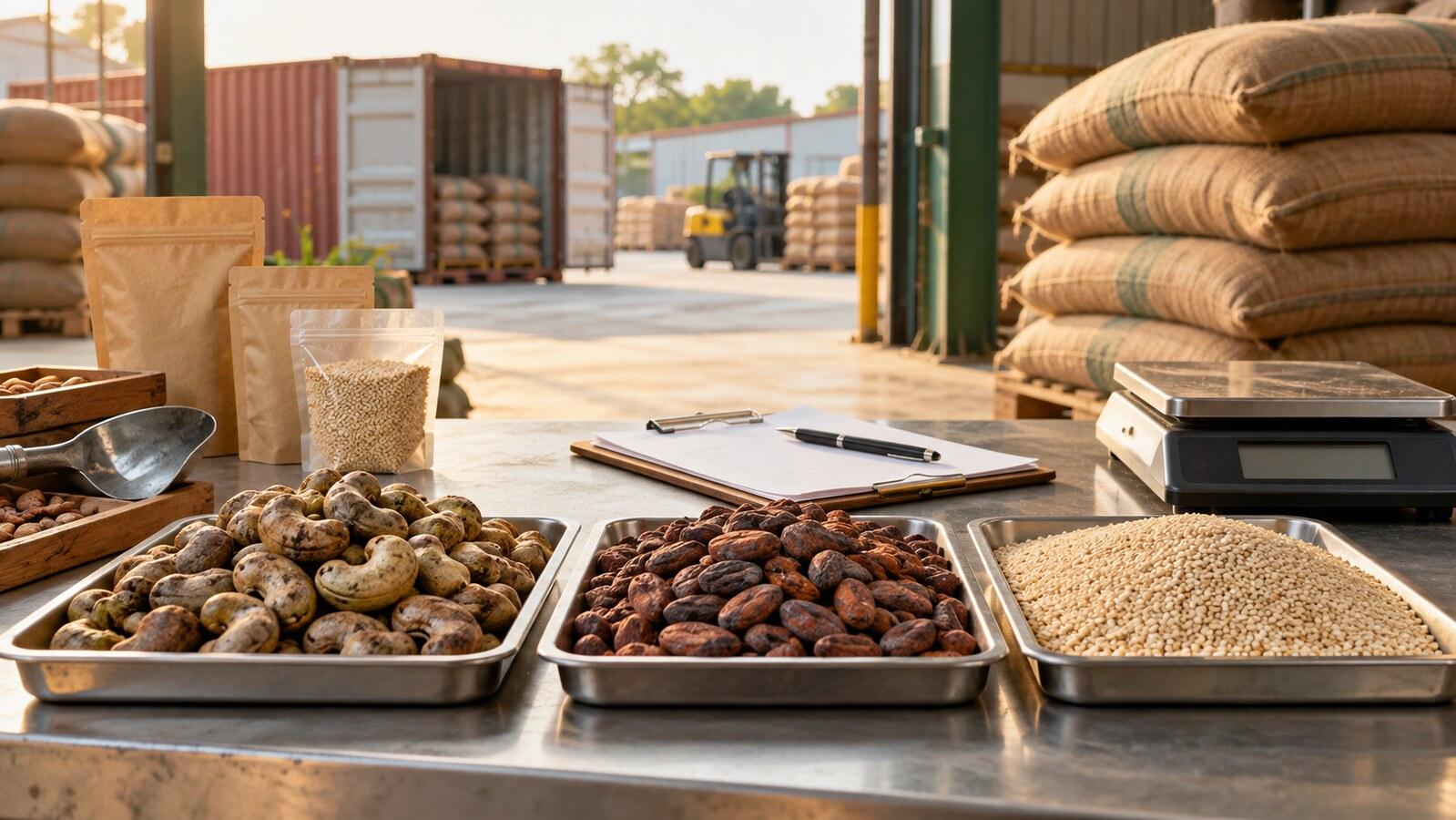
Processors considering a substitute should confirm how it affects the finished product. Agree limits and test methods for free fatty acids, moisture and impurities, peroxide value, colour and odour where relevant. Also check packaging, shelf life and the buyer’s approved formulation before changing oil type or origin. A cheaper tonne can create production losses when the specification does not match the intended use.
Tighten shipment and cancellation terms
Ask the supplier whether the offered oil is already in storage, allocated from a vessel or still dependent on production and loading. Request the proposed port, vessel window and latest acceptable arrival date. Where Black Sea supply is involved, ask what happens if the nominated port cannot load.
The contract should state how a washout, delayed vessel, alternative port or replacement origin will be handled. Agree who may approve a substitute oil, who pays additional freight or storage, and when either party can cancel. Do not leave those decisions to an exchange of messages after the cargo is late.
Nigerian buyers should request fresh offers from more than one origin and compare the same oil grade, quantity, delivery period and Incoterm. Keep the laboratory specification beside the landed-cost sheet, then test the result against a later vessel and a different exchange rate. Businesses sourcing agricultural commodities can contact Artesana to discuss product requirements and trade documentation.
Sources
- Reuters, India-bound sunflower oil cargoes face cancellation, delays as war disrupts Russian shipments, published 7 October and updated 8 October 2026. Cargo figures are industry and trade-source reports.
- USDA World Agricultural Outlook Board, World Agricultural Supply and Demand Estimates, 9 October 2026. Forecast period: 2026/27.