Nigeria's agricultural trade moved back into deficit in the second quarter of 2026. For exporters, importers and procurement teams, the useful response is to tighten decisions around destination, specification, currency and delivery terms.
The National Bureau of Statistics published its Q2 foreign-trade report on 7 September 2026. The data covers April to June 2026, so it is a quarterly trade record, not a live market-price bulletin.
What changed in Q2
NBS valued agricultural exports at ₦802.99 billion, down 36.09% from Q2 2025 and 31.51% from Q1 2026. Agricultural imports reached ₦1.20376 trillion, up 1.63% year on year and 45.43% quarter on quarter.
That leaves an agricultural trade deficit of about ₦400.8 billion. Proshare's 2 October review reported the same reversal, while Punch's 8 September report independently confirmed the export and import direction.
These are aggregate customs trade values in naira. They are not spot prices, FOB offers, CIF costs or proof of the margin on any product. A higher import value may reflect quantity, foreign prices, exchange rates or a mix of these factors. The report alone does not separate them.
Follow the products and destinations
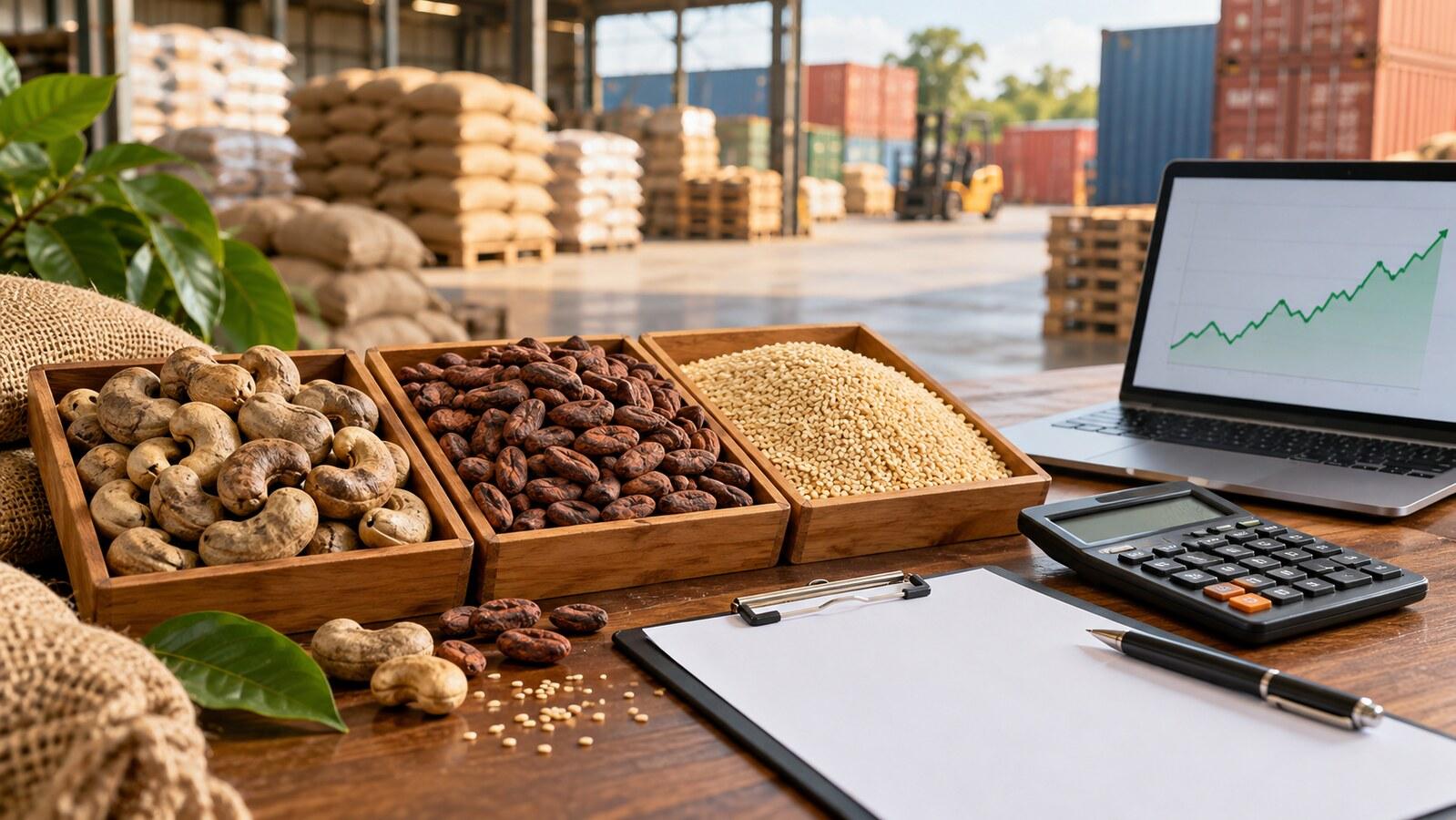
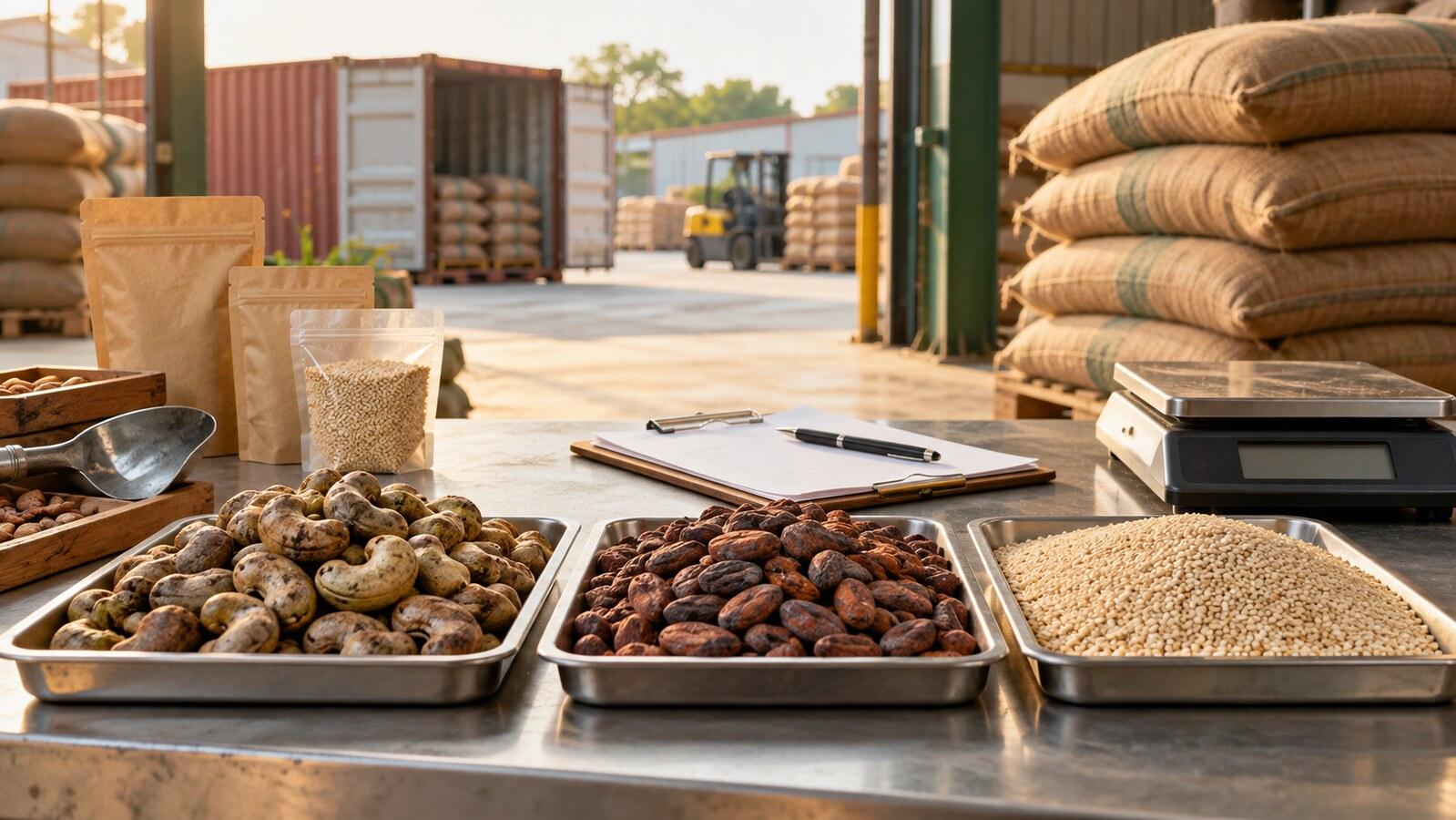
In-shell cashew was the largest agricultural export in the report at ₦268.62 billion. Standard-quality cocoa beans followed at ₦154.31 billion, then sesame seeds at ₦96.03 billion.
Asia received ₦511.31 billion of Nigerian agricultural exports during the quarter, compared with ₦199.10 billion for Europe. The named flows included cashew to Vietnam and India, standard-quality cocoa to Malaysia and the Netherlands, and sesame to China and Vietnam.
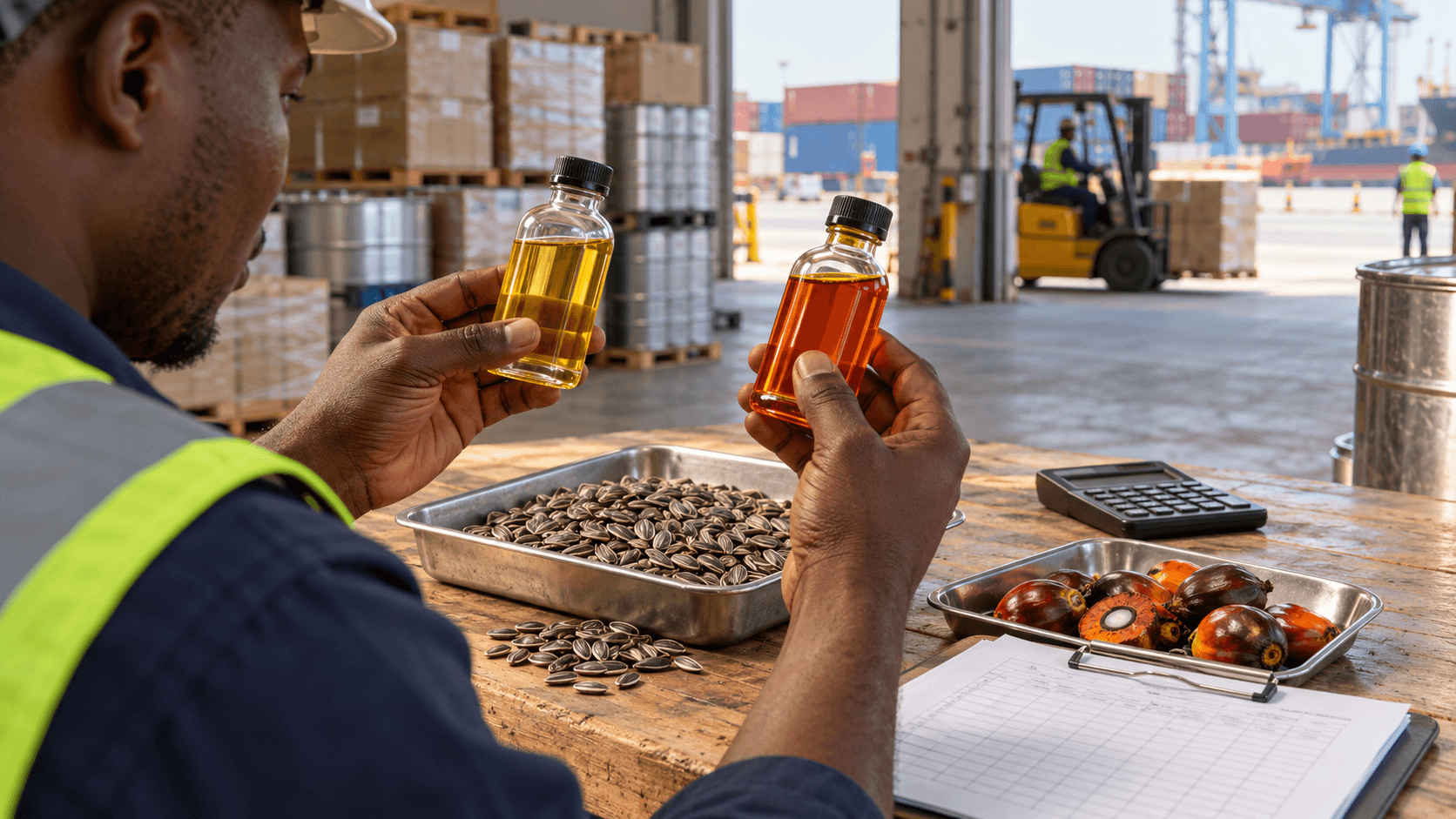
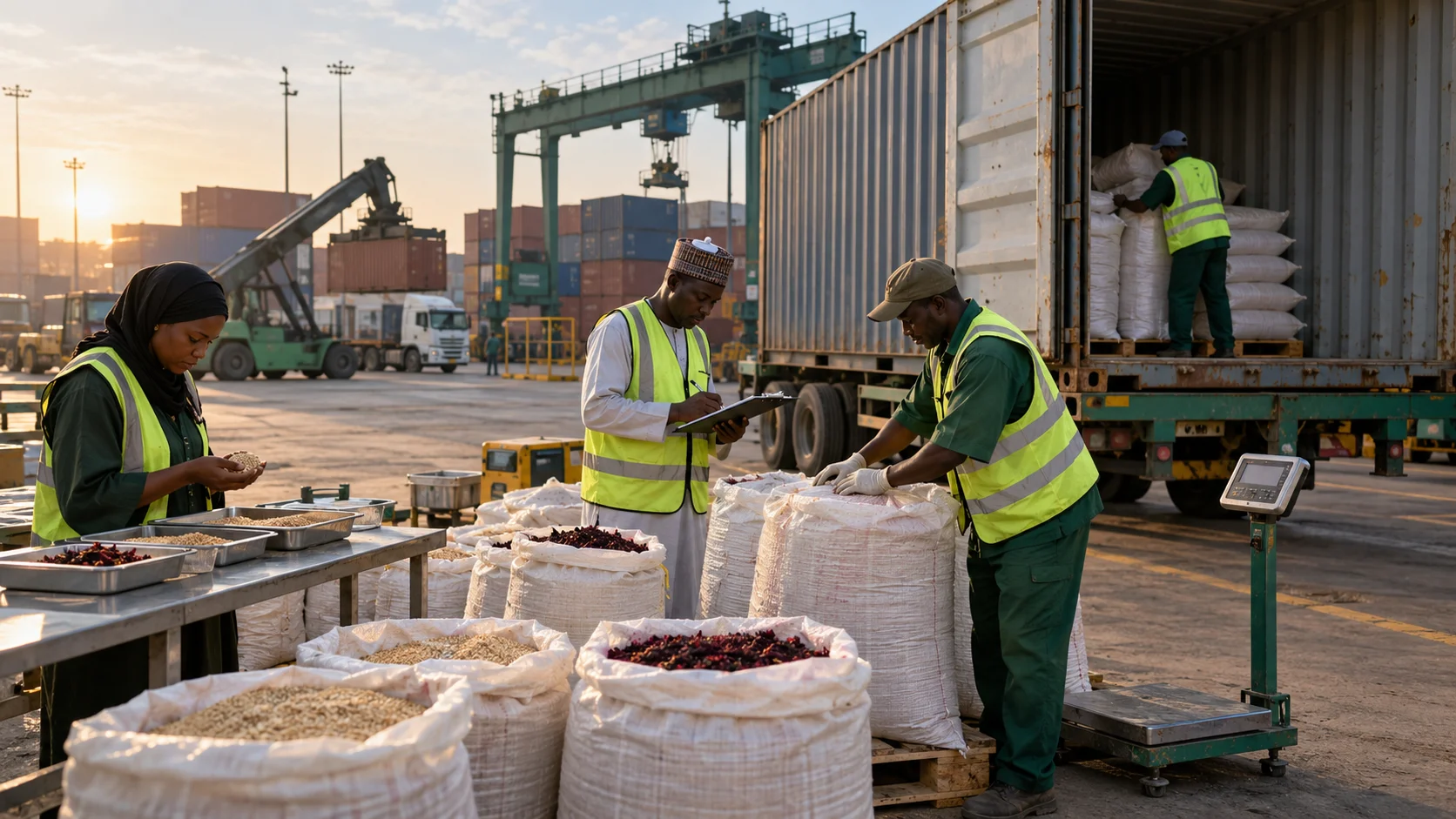
This mix matters because an export plan should begin with the actual destination. Ask the buyer for the product form, quality specification, sampling method, required certificates, packaging, shipment window and acceptable inspection process. A specification used for one market should not be copied into another order without checking it.
Rebuild quotations from current inputs
The Q2 values cannot be used as today's selling price. Request a fresh quote that states currency, unit, grade, origin, location, Incoterm and expiry date. Separate the product price from cleaning, testing, packaging, inland haulage, port charges and ocean freight.
Exporters should test the offer against today's exchange rate and actual supplier commitments. Importers should compare the landed cost with a verified local alternative of equivalent grade and delivery timing. Procurement teams should record which exchange rate and freight quote were used, then identify who carries the cost if either changes before shipment.
Avoid promising volume from a national export figure. Confirm the lot, warehouse location, available quantity and preparation time. Link the sample result to the lot being offered, and keep purchase, processing, packing and dispatch records consistent.
Check the contract before cargo moves
Write down who is responsible for inspection, export documents, import clearance, storage during a hold and rejected goods. Confirm that the buyer accepts the proposed laboratory and document formats before loading.
For imported agricultural goods, NBS identified durum wheat from Poland and Germany among the major Q2 entries. A buyer considering imports should still verify the current supplier, grade, contract basis, currency exposure and arrival schedule. The quarterly total does not confirm present availability.
The practical lesson is simple: the trade deficit shows pressure at sector level, but each transaction must stand on current evidence. Buyers and sellers should make decisions from a verified lot, a destination-specific specification and a dated commercial quote.
For a new sourcing enquiry, you can contact Artesana with the product, quantity, destination, specification and required delivery date.
Sources
- National Bureau of Statistics, Foreign Trade in Goods Statistics Q2 2026, published 7 September 2026; data period April to June 2026: official report and tables.
- Proshare, agricultural trade deficit review, published 2 October 2026; based on NBS Q2 2026 data: analysis.
- Punch, Nigeria trade report, published 8 September 2026; based on NBS Q2 2026 data: independent reporting.
 Artesana Editorial Team
Practical insights into agricultural sourcing, product quality and international trade.