The US dollar is close to its strongest level in 18 months, which makes currency terms worth checking again before Nigerian agricultural buyers and exporters confirm a price.
Reuters reported on 8 October 2026 that the dollar index held at 102.25 in Asian trading after rising 0.3% the previous day. The index measures the dollar against a basket of six currencies. It is a market indicator, not a USD/NGN rate or an executable quote for a shipment.
What moved the dollar
The US Federal Reserve released its September meeting minutes on 7 October. The meeting itself took place from 15 to 16 September 2026.
The minutes show that all participants supported a 25 basis point increase in the federal funds target range to 3.75% to 4.00%. Most participants assessed that another increase could be appropriate by the end of 2026, while stressing that future decisions would depend on incoming information.
That policy outlook can support the dollar, but it does not determine the naira rate by itself. Nigerian trade decisions should use the rate available for the actual payment date, bank and contract.
Keep the dollar index and NFEM rate separate
The Central Bank of Nigeria's NFEM page recorded a closing rate of ₦1,332.75 per US dollar on 7 October. Its volume-weighted average was ₦1,331.7679 per dollar, with trades reported between ₦1,330.50 and ₦1,332.99.
These are official daily market figures. They are not a guaranteed rate from a commercial bank, an exporter or an importer. A 7 October Nairametrics report independently recorded the previous day's NFEM closing rate at ₦1,331.50 per dollar.
Exporters should check the conversion point
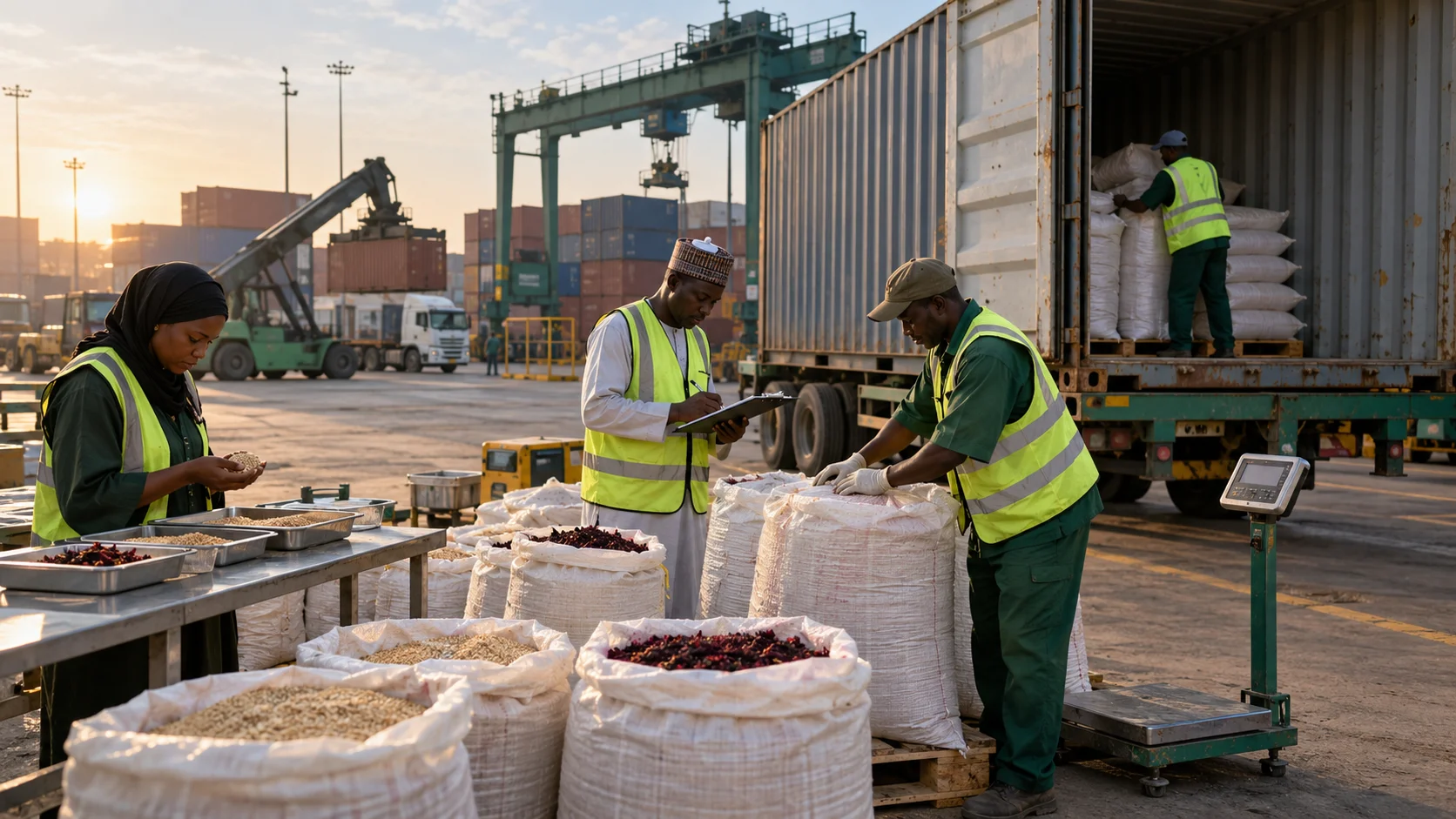
An exporter may quote an agricultural product in US dollars but pay farmers, processors, warehouses and local transporters in naira. The final naira receipt depends on when the buyer pays, when the funds clear and the rate used for conversion.
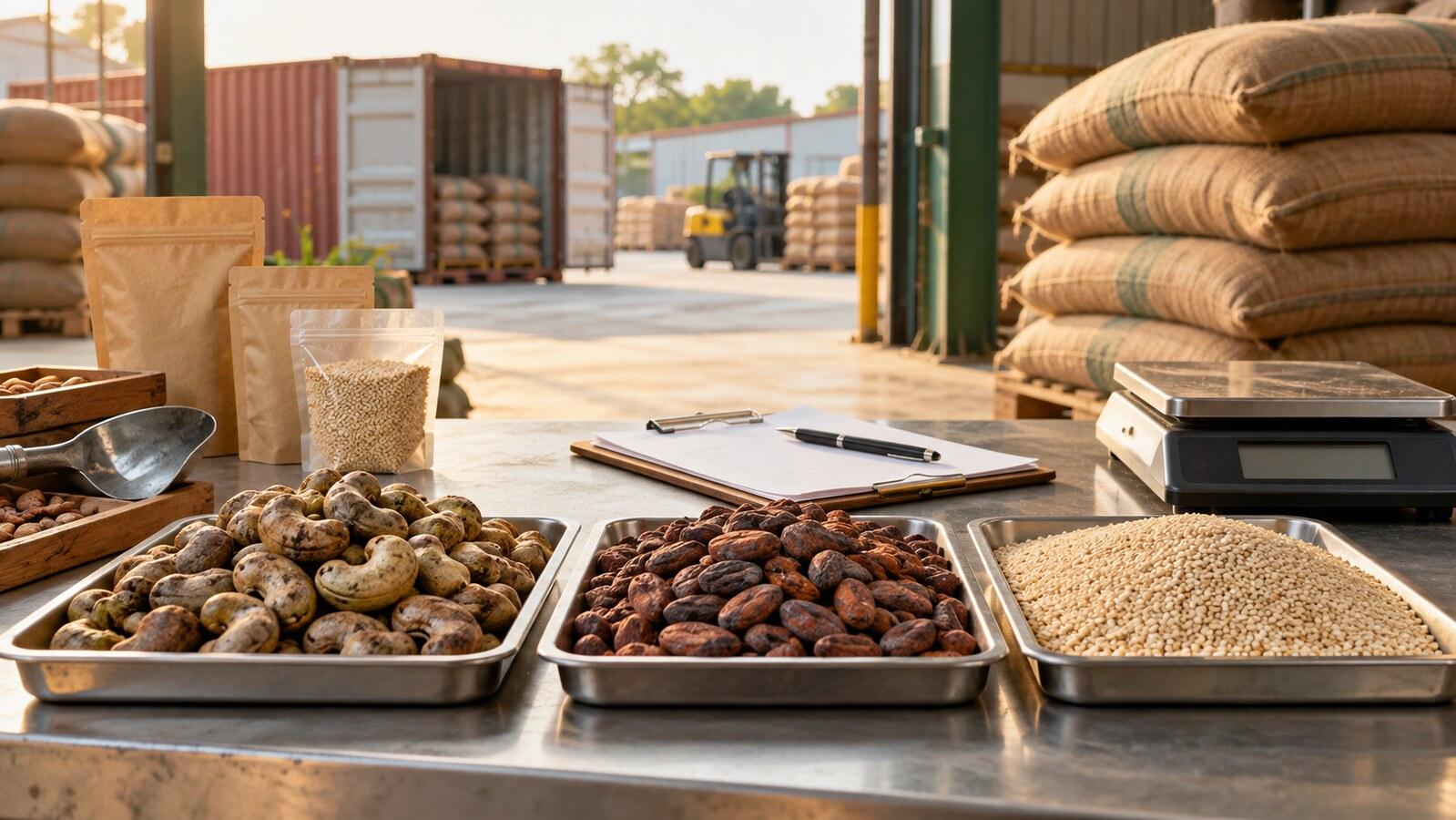
State the invoice currency, payment deadline and bank charges in writing. Confirm whether the price is ex-warehouse, FOB, CFR or CIF, and separate product value from testing, packaging, inland transport, port costs and freight.
Avoid building a supply commitment from an assumed future exchange rate. Check the actual lot, supplier price and preparation cost first. Decide how long the quotation remains valid and what happens when payment arrives after that period.
Importers should test landed cost again
For imported wheat, ingredients, packaging or processing equipment, request a fresh supplier invoice and freight quotation. Record the currency, unit, grade, origin, shipment date and Incoterm so competing offers can be compared on the same basis.
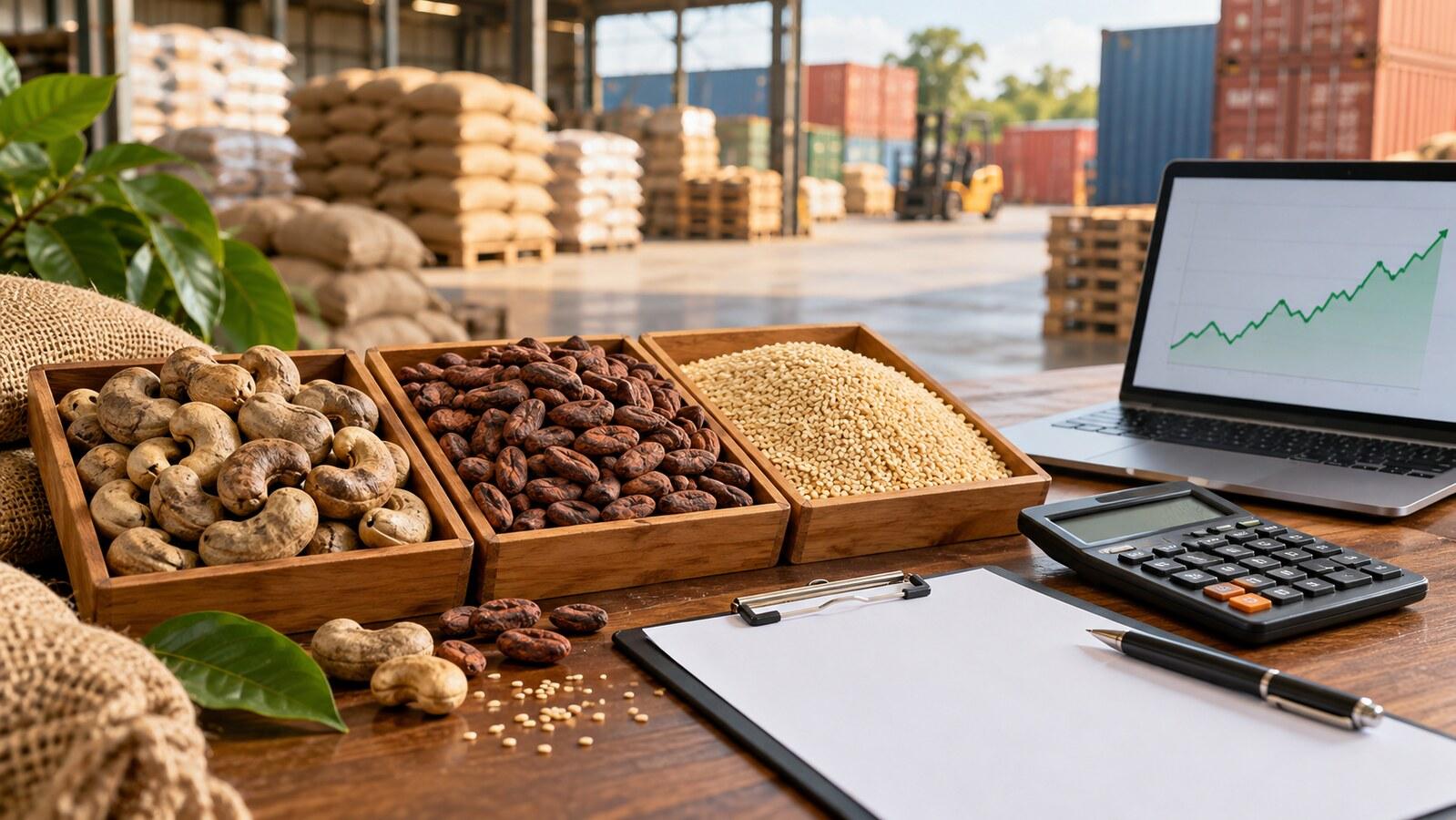
Calculate the landed cost with the bank's available rate and stated charges, not the dollar index. Include duty, clearing, inland delivery and any inspection or storage cost that applies to the order. Ask the bank what documentation and settlement timeline will apply before promising a delivery date to customers.
Put currency responsibility in the contract
The buyer and seller should agree on which exchange-rate source applies, the date and time used, and who carries the difference when payment is delayed. A contract can also state when either party may request a revised quotation.
This article does not forecast the naira, quote a Nigerian commodity spot price or recommend a currency hedge. Businesses with material foreign-currency exposure should discuss suitable payment and risk-management options with their bank or qualified adviser.
For a sourcing enquiry, you can contact Artesana with the product, quantity, destination, specification and preferred delivery basis.
Sources
- US Federal Reserve, Minutes of the Federal Open Market Committee, September 15 to 16, 2026, released 7 October 2026: official release and full minutes.
- Reuters, Dollar steady near 18-month high after Fed minutes flag inflation risks, published 8 October 2026; market level from Asian trading on the same date: report.
- Central Bank of Nigeria, Nigerian Foreign Exchange Market rates, 7 October 2026; accessed 8 October 2026: official rate page.
- Nairametrics, NFEM market report, published 7 October 2026; data for 6 October 2026: independent report.
 Artesana Editorial Team
Practical insights into agricultural sourcing, product quality and international trade.