Nigeria's grain harvest is moving into an important buying period. Farmers, aggregators and processors need to agree on the grain they are buying, where it comes from and when it can actually be delivered.
The latest available FAO Nigeria country brief, dated 16 September 2026, describes uneven cereal production prospects. This article uses that assessment alongside FAO's international cereal outlook released on 2 October. Neither report provides a live Nigerian farmgate price.
What the harvest assessment tells buyers
FAO reported that northern cereal harvesting had begun, while main-season maize harvesting in southern and central areas was nearing completion. It also identified local production risks following dry spells and warned that expected rainfall could increase local flooding risks. These are regional assessments, not a guarantee of the quantity or quality available from a particular supplier.
For a buyer, the practical implication is to check the actual supply area. A national harvest headline cannot confirm that a specific lot is ready for collection. Ask the supplier for the location, harvest period, available quantity and the time needed to prepare the grain for dispatch.
Agree on the specification before negotiating volume
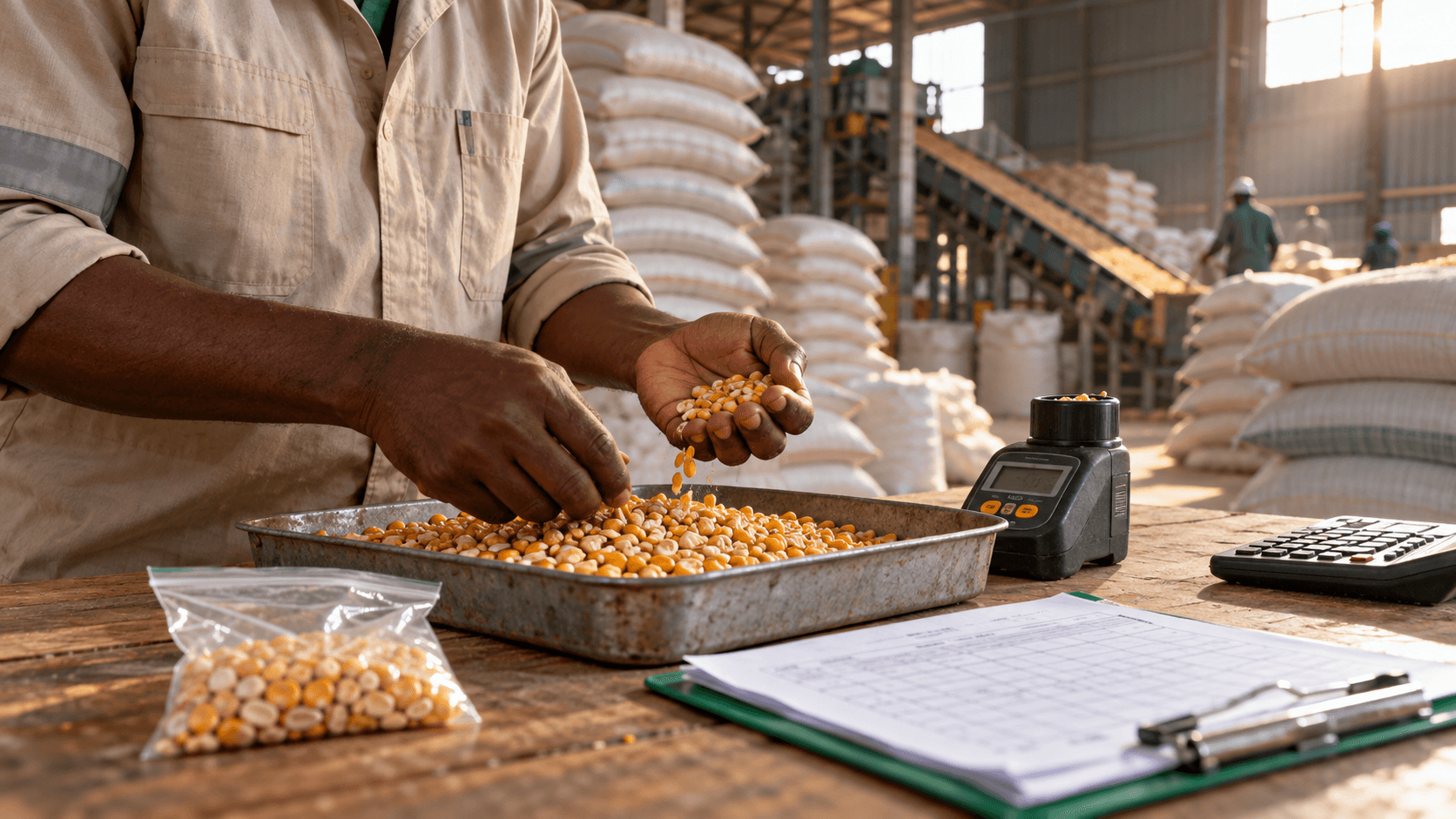
Write down what the grain will be used for. Food processing, animal feed and other industrial uses may have different acceptance requirements. Confirm the variety or colour, moisture specification, foreign matter, damaged grain limits, packaging and sampling method with the buyer receiving the goods.
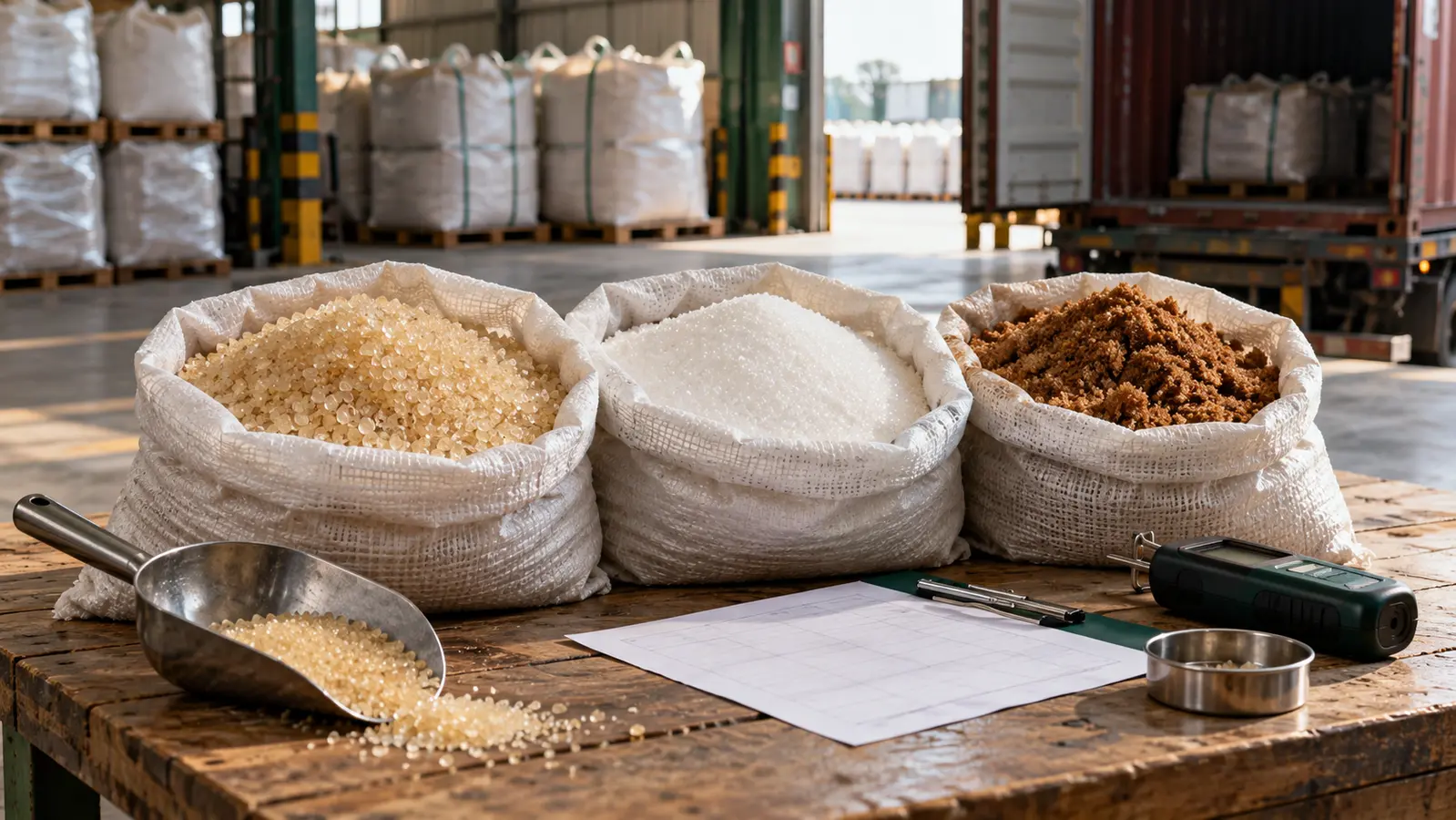
Ask for representative samples from the lot being offered. Make sure the sample identification matches the delivery documents. Where laboratory testing is required, agree on the laboratory, tests and acceptance limits before payment. Use the requirements applicable to the intended use and destination rather than copying a figure from another contract.
A photograph can help show the product, but it cannot establish that an entire shipment meets a specification. Keep the agreed quality requirements in writing so both sides understand how acceptance will be decided.
Check storage and delivery arrangements
Confirm when the grain was harvested, how it was dried and where it is being stored. Ask how the supplier keeps different lots identifiable and what inspection records are available. Arrange a physical inspection when the order size or quality risk justifies it.
Also check the collection route, loading arrangements and delivery window. Agree who pays for testing, loading, transport and any rejected quantity. A low quoted price is difficult to assess when those costs and responsibilities remain unclear.
Request a fresh quotation with a validity period, currency, unit and delivery basis. Compare offers on the same basis, including the amount you expect to receive after the agreed quality checks. This article does not estimate current Nigerian grain prices or promise that harvest arrivals will reduce them.
Keep international supply risks in view
FAO's 2 October cereal outlook reduced its forecast for world cereal trade in the 2026/27 July-to-June marketing year to 505.8 million tonnes, 3.5% below the previous season. It linked its downward revision to constraints on Black Sea shipping and alternative transport capacity. Reuters reported the revised trade outlook on the same day.
That global forecast does not establish a Nigerian shortage or the price of a local maize lot. Our procurement advice is to keep local supply checks and import comparisons current. For cross-border orders, verify the destination's requirements, shipping availability and documentary responsibilities before committing to a delivery date.
Prepare a clearer purchase enquiry
Give your supplier the product, intended use, quantity, receiving location, required delivery date and quality specification. Ask for a lot-specific quotation and the evidence needed to confirm it. A clear enquiry makes it easier to compare suppliers and resolve issues before the grain is loaded.
You can contact Artesana to discuss agricultural sourcing requirements. Confirm product availability and the agreed service scope directly.
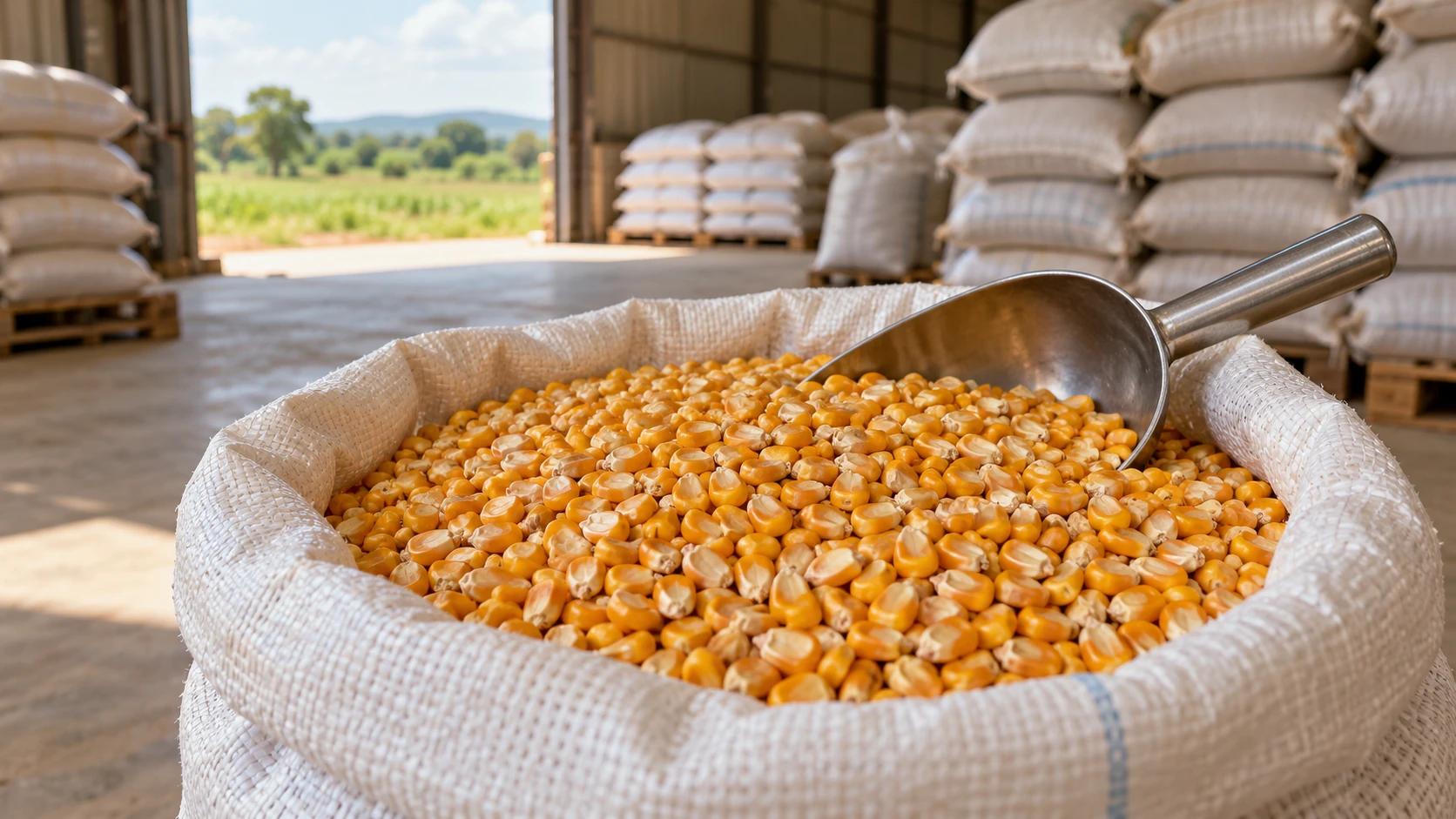
Featured image: AI-generated illustration of maize in a grain warehouse; not a photograph of Artesana stock or a specific shipment.
Sources
- FAO GIEWS, Nigeria Country Brief, reference date 16 September 2026: https://www.fao.org/giews/countrybrief/country.jsp?code=NG
- FAO, Cereal Supply and Demand Brief, released 2 October 2026; forecasts for 2026 production and 2026/27 trade: https://www.fao.org/worldfoodsituation/csdb/en/
- Reuters, World food prices near four-year high in September, UN says, published 2 October 2026, via Investing.com: https://www.investing.com/news/commodities-news/world-food-prices-near-fouryear-high-in-september-un-says-4929127
 Artesana Editorial Team
Practical, sourced insights into agricultural sourcing and international trade.