
Global food prices rose again in September 2026. For Nigerian agricultural buyers and exporters, the practical response is to review quotations, delivery plans and purchase terms before committing to a shipment.
The latest release gives a useful international market signal. A Nigerian purchase still needs its own current price, quality specification and delivery calculation.
What changed in September?
The FAO Food Price Index, released on 2 October 2026, averaged 136.0 points for September. It increased by 1.5% from August and 5.8% from September 2025. These are monthly international benchmark movements, rather than prices in naira per tonne.
FAO reported that its cereal index rose 5.1%, its sugar index increased 6.1%, and its vegetable oil index gained 0.9% from August. Meat prices declined, while dairy prices changed little. The movement therefore differed across product groups.
Reuters also reported the release on 2 October, placing the overall index at its highest level since November 2022. Its coverage linked the rise to logistics disruption and weather concerns affecting crop markets.
Why shipment planning deserves attention
FAO's accompanying assessment highlighted transport constraints around the Black Sea and uncertainty affecting shipping through the Strait of Hormuz. It also identified weather concerns in producing regions.
The same release forecasts world cereal trade at 505.8 million tonnes in the 2026/27 season, down 3.5% from the preceding season. This is a forecast for a global marketing period, not a confirmed shipment total or a forecast for Nigeria alone.
Our practical reading is that procurement teams should check both product availability and the route needed to deliver it. A supplier's available stock and a workable shipment date are separate questions.
What Nigerian buyers should check
The figures above do not establish a current Nigerian wholesale price. They also do not measure individual sesame, ginger, hibiscus or gum arabic export quotations. Avoid applying the overall percentage increase to every commodity in your buying plan.
Before accepting a revised offer, request a written quotation that identifies the product, grade, quantity, currency, price per unit and validity date. Confirm whether freight and insurance are included, together with the named delivery location and agreed Incoterm.
For a purchase quoted in foreign currency, calculate the naira requirement using an exchange rate you can actually obtain for the transaction. Record that rate and its date. Include inspection, handling and other applicable costs supported by current quotations.
This is a purchasing checklist, not evidence that those costs have all risen in Nigeria.
What exporters should check before offering a price
A stronger international benchmark does not establish the margin on an export order. Build the offer from your own sourcing cost, processing requirement, packaging, inland transport and current shipment quotation.
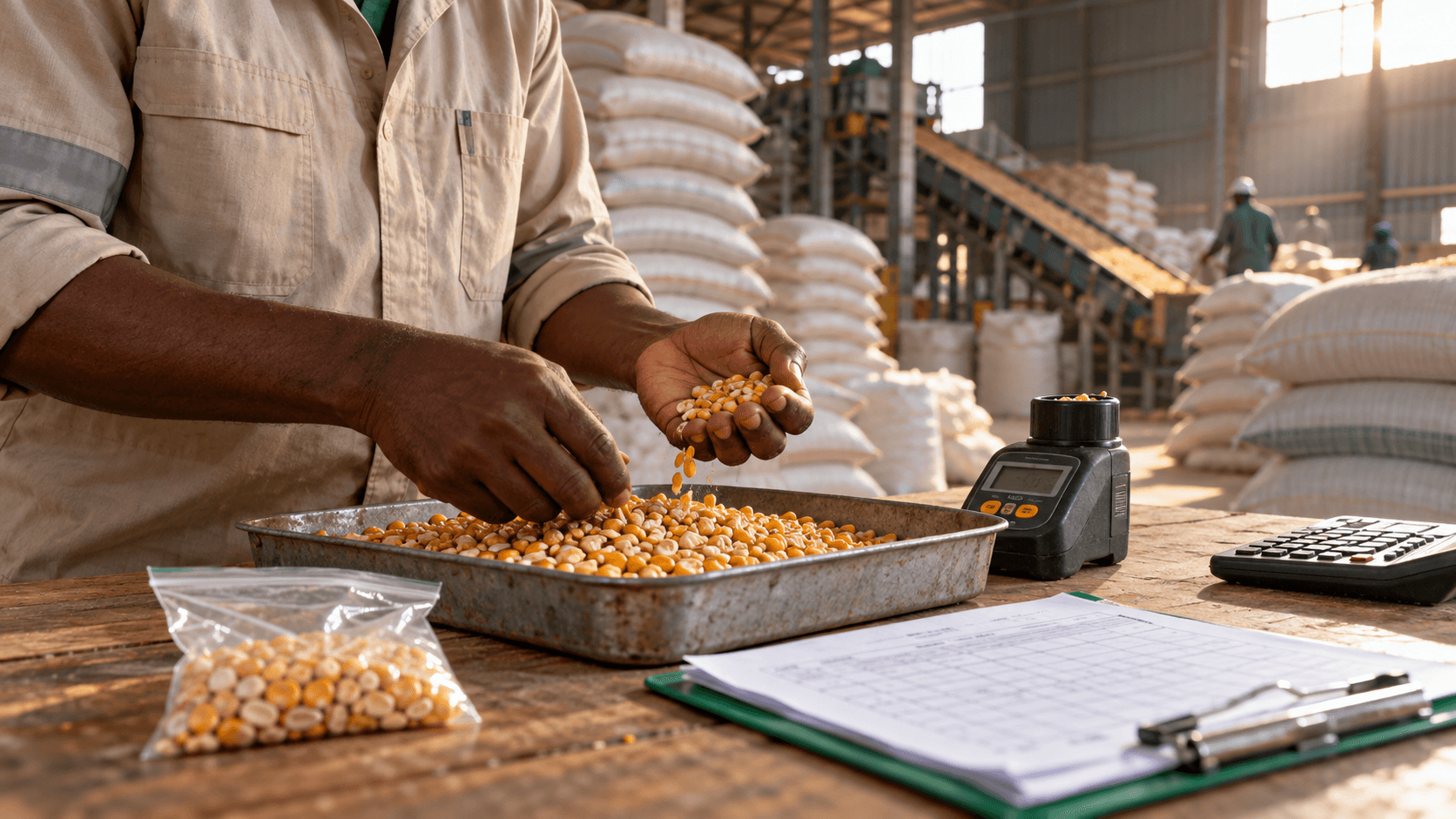
Ask the buyer to confirm measurable quality requirements before agreeing on price. Moisture, purity, testing, packaging and acceptance terms should be clear enough for both parties to assess the same batch.
Also confirm the promised shipment window with the logistics provider. Give your commercial quotation a clear validity period and document how changes will be handled before either party commits.
Use the release to improve the next decision
The September update is a reason to refresh assumptions and ask better questions. It cannot replace a supplier quotation, a laboratory result or a confirmed freight booking.
Buyers discussing agricultural sourcing can contact Artesana with their required product, specification, quantity and delivery destination. That gives the enquiry a clear starting point.
Sources
- FAO, Food Price Index, released 2 October 2026; data period September 2026: monthly benchmark.
- FAO, Food Price Index rises in September amid weather concerns and transport disruptions, 2 October 2026: official assessment.
- Reuters, World food prices near four-year high in September, UN says, 2 October 2026: independent reporting.
 Artesana Editorial Team
Practical insights into agricultural sourcing and trade.