Hibiscus flower is one of those agricultural products that can look simple at first, but its value goes far beyond colour. The dried red calyxes of Hibiscus sabdariffa are used in drinks, food products, wellness formulations and cosmetics, and they also have an established place in Nigerian agriculture and export trade.
For buyers, processors and consumers, the important question is not only what hibiscus is used for. Quality, handling and specification matter too.
What is hibiscus flower?
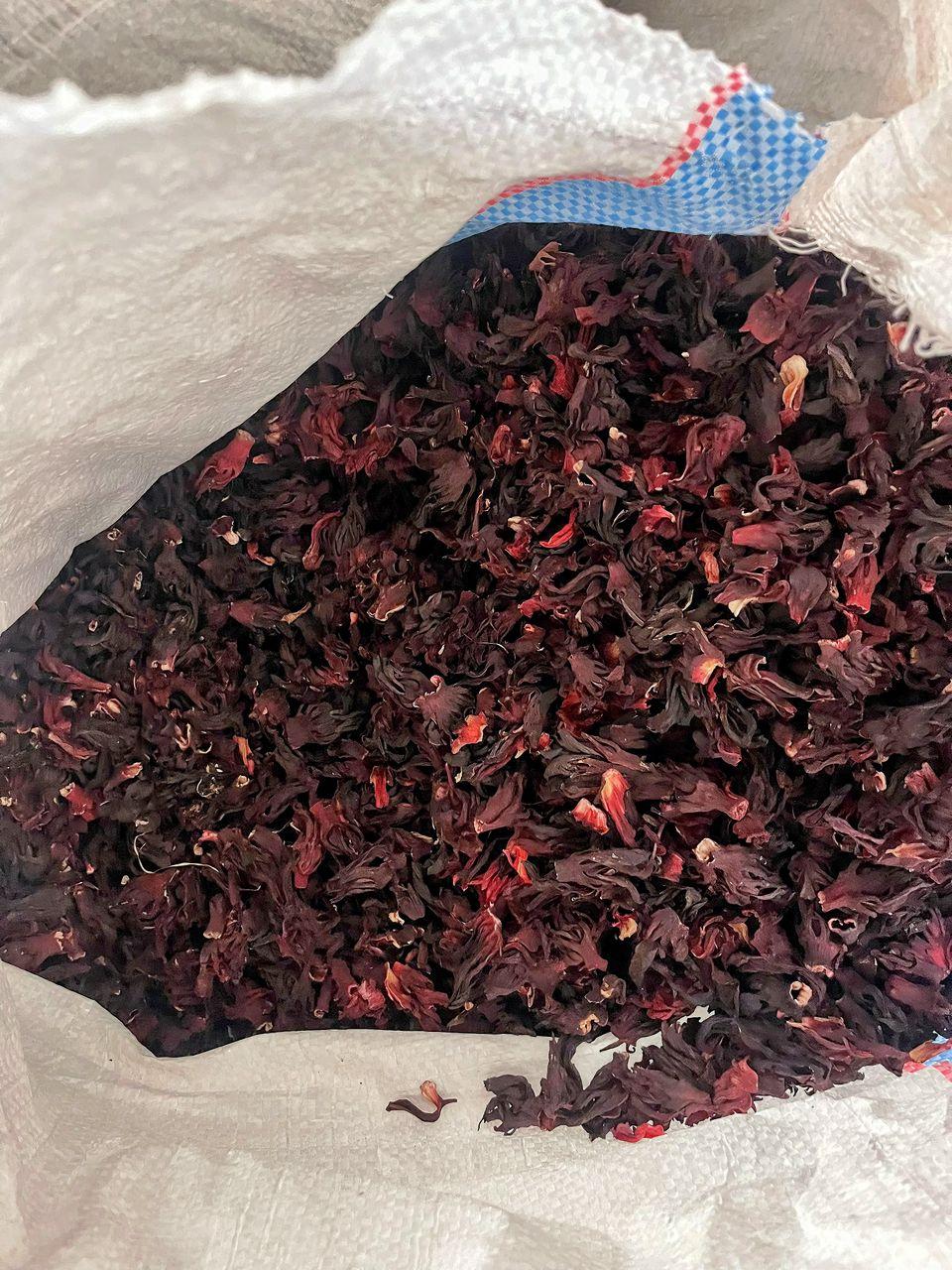
The hibiscus used for tea and many food products is usually Hibiscus sabdariffa, also known as roselle. The plant produces fleshy red calyxes that are harvested and dried. These calyxes give hibiscus drinks their deep red colour and naturally tart taste.
Research has identified anthocyanins, phenolic compounds and organic acids in hibiscus. These compounds contribute to its colour, flavour and much of the scientific interest around the plant. In Nigeria, hibiscus is widely known through zobo, the popular drink prepared from the dried calyxes.
What is hibiscus flower used for?
One of the most common uses is hibiscus tea. Dried hibiscus can be infused in hot or cold water to produce a sharp, refreshing drink that can be consumed on its own or blended with ginger, fruit or spices.
Food and beverage manufacturers also use hibiscus for flavour and natural colour. Hibiscus also appears in cosmetic and wellness products. Research literature has documented the use of Hibiscus sabdariffa in food, beverages, traditional preparations and cosmetic applications.
For commercial buyers, the final application will normally determine the required grade, cut size, moisture level, cleanliness, packaging and testing requirements.
What does research say about hibiscus tea benefits?
Hibiscus has attracted significant research because of its naturally occurring anthocyanins, flavonoids and organic acids.
One area with relatively strong clinical interest is blood pressure. A systematic review and meta-analysis published in Nutrition Reviews examined 17 chronic trials and found that hibiscus consumption was associated with a reduction in systolic blood pressure compared with placebo. The researchers also noted that more studies are needed to establish the most effective dose and treatment duration.
That means hibiscus can be discussed as a food and beverage with promising evidence behind some health effects, but it should not be presented as a guaranteed treatment or replacement for prescribed medicine.
Other research reviews have explored possible effects connected to antioxidant activity, blood lipids and glucose metabolism. The evidence varies by outcome, preparation and study design, so responsible product communication should avoid exaggerated medical claims.
Quality matters when buying dried hibiscus flowers, here is why
For a buyer, good hibiscus starts with a clear specification.
Colour is important because buyers often want a strong, consistent red appearance. Cleanliness also matters. Foreign materials, excessive dust, damaged calyxes or poor handling can reduce commercial value and create problems during processing.
Moisture should be controlled because badly dried or poorly stored hibiscus can deteriorate during storage and shipment. Buyers may also require microbiological testing, pesticide residue checks, traceability information and specific packaging standards depending on the destination market and intended use.
There is no single specification that fits every transaction. A beverage company, ingredient distributor and cosmetic manufacturer may each require something different. The best approach is to agree the specification before purchase and confirm how the product will be inspected and documented.
Nigerian hibiscus in export trade
Hibiscus is a recognised Nigerian agricultural export commodity. In October 2025, the Nigeria Agricultural Quarantine Service met with the Association of Hibiscus Flower Exporters of Nigeria to review the export season, quality controls, fumigation operations, transit security and market diversification.
NAQS reported that the association said more than 2,500 containers of hibiscus had been exported during the season without rejection. The meeting also discussed expanding beyond Mexico, which has traditionally been an important destination for Nigerian hibiscus.
For formal plant exports from Nigeria, phytosanitary compliance is important. NAQS states that plant and plant-product consignments intended for export are subject to inspection and certification. NEPC also requires exporters to register and follow applicable documentation procedures for formal exports.
For international buyers, this makes supplier verification, product specification and documentation just as important as price.
Sourcing hibiscus flower from Artesana
Artesana currently lists Nigerian hibiscus flower, with 99% purity and organic cultivation. Buyers can submit their required quantity, processing preference, delivery terms and specification sheet when requesting a quote.
Explore our Hibiscus Flower product page to request a quote and discuss your requirements with Artesana. Link that phrase to your existing product page. Artesana Hibiscus Flower product page.
Sources
- Nutrition Reviews: systematic review and meta-analysis of Hibiscus sabdariffa and cardiometabolic markers, published 2022. Read the PubMed record.
- Biomedicines: review of organic acids and bioactive components in Hibiscus sabdariffa, published 2020. Read the research review.
- Nigeria Agricultural Quarantine Service: October 2025 meeting with Nigerian hibiscus exporters covering export readiness, quality and market diversification. Read the NAQS report.
- Nigeria Agricultural Quarantine Service: plant quarantine and phytosanitary certification information. NAQS Plant Quarantine information.
- Nigerian Export Promotion Council: formal export documentation and procedures. NEPC export documentation guide.
 Artesana Editorial Team
Practical insights on agricultural products, sourcing, quality and international trade from Artesana.