
Two vessels were hit in the Strait of Hormuz on 13 October, adding another layer of risk to fuel and shipping costs. For Nigerian agricultural businesses, the immediate job is to check the assumptions inside transport, processing and delivery quotes.
What changed on 14 October
Reuters reported on 14 October that a container ship and a tanker were struck by unknown projectiles in the Strait of Hormuz. Brent crude futures rose to US$106.03 per barrel at 06:30 GMT, while US West Texas Intermediate futures reached US$94.42 per barrel. Both were up 0.3% at that time after rising by more than US$1 earlier in the session. These were exchange futures prices, not Nigerian diesel prices or delivered fuel quotes.
The market was already carrying high transport risk. The US Energy Information Administration's Short-Term Energy Outlook, released on 6 October using a forecast completed on 1 October, said Brent spot crude averaged US$114 per barrel in September. It forecast an average of US$105 per barrel for the fourth quarter of 2026, which was US$14 higher than its previous monthly forecast. That figure is a forecast for Brent spot crude, not a guaranteed price.
The EIA also said high tanker rates reflected higher insurance costs and that some ships were taking longer routes around conflict zones. Longer voyages reduce effective vessel availability and can raise delivered costs even when the commodity price itself has not changed.
What this could mean for Nigerian agriculture
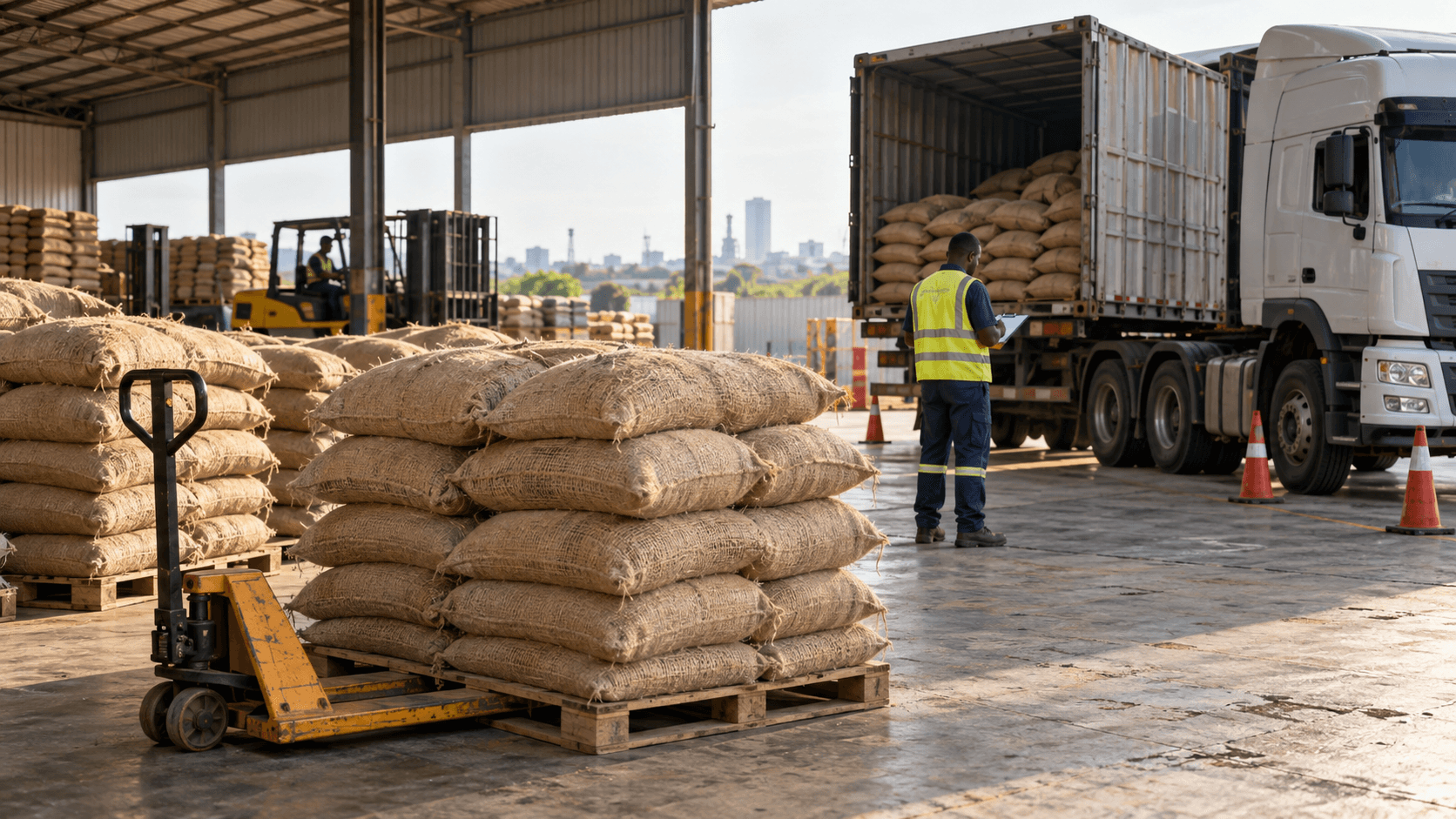
Farm produce moves through several fuel-dependent stages before it reaches a buyer. Trucks collect crops from producing areas, generators support warehouses and processing lines, and export cargo still needs haulage to a port. Importers of grain, edible inputs, packaging or equipment also face the marine freight leg.
A higher global crude price does not produce a fixed increase in a Nigerian haulage quote. Local refining, distribution, taxes, foreign exchange, route conditions and vehicle availability all affect the final number. The current development increases uncertainty around those cost lines, so a quotation prepared several days ago may no longer reflect the supplier's current exposure.
Farmers and processors should be careful with fixed delivered prices that remain open for too long. Buyers should also avoid treating a higher freight or transport charge as proof that the commodity itself has become more expensive. Ask for the cost components.
Checks before confirming an order
First, request a fresh haulage quote with the route, vehicle type, payload, loading point, destination and validity period shown. Confirm whether diesel adjustments are already included or can be added later.
For imports or exports, ask the freight forwarder whether the quotation includes bunker adjustment, war-risk insurance and any route surcharge. Confirm the Incoterm and named place or port. A FOB commodity quote leaves the main ocean freight with the buyer, while a CIF quote includes cost, insurance and freight to the named destination port. Local destination charges can still sit outside both quoted values.
Processors should review how much fuel is used for drying, cleaning, milling, cold storage and backup power. Use recent operating records rather than a broad percentage added to every tonne. This makes it easier to update the affected cost without disturbing the product price.
Procurement teams should keep commodity, packaging, inland transport, port handling, ocean freight, insurance and finance on separate lines. Also record the currency and expiry time for each quotation. That gives both sides a clear basis for renegotiation if fuel or freight moves again.
Businesses preparing a new agricultural supply request can contact Artesana with the product, quantity, specification, destination and preferred trade term. Availability, price and delivery dates still need confirmation for each order.
Sources
- Reuters, "Oil prices rise as Iran deploys new tactics to target ships transiting Hormuz", 14 October 2026: https://www.reuters.com/business/energy/oil-prices-climb-traders-weigh-saudi-supply-risk-russian-diesel-flow-2026-10-14/
- US Energy Information Administration, "Short-Term Energy Outlook: Global oil markets", released 6 October 2026, forecast completed 1 October 2026: https://www.eia.gov/outlooks/steo/report/global_oil.php