
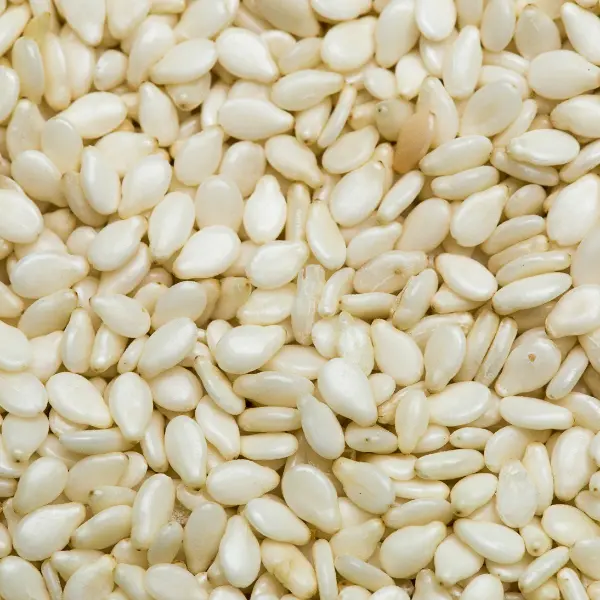
Sesame seeds add more than flavour and crunch to a meal. They provide plant protein, fibre, unsaturated fats and several minerals. Understanding the health benefits of sesame seeds starts with what they contain, how much you eat and the quality of your overall diet.
Here is what these small seeds can contribute, along with the limits of the evidence.
What is in a spoonful of sesame seeds?
University Hospitals' nutrition reference lists approximately 52 calories, 1.6 grams of protein, 1.1 grams of fibre and 4.5 grams of fat in one tablespoon of whole, dried sesame seeds. Most of that fat is unsaturated. The same serving supplies calcium, magnesium, iron and zinc.
These are reference values for whole, dried seeds, rather than a laboratory analysis of Artesana's product. Processing and serving size affect the nutrients you receive, so check the nutrition information for the product you use.
1. They add unsaturated fats to your meals
Sesame seeds contain both monounsaturated and polyunsaturated fats. The American Heart Association recommends replacing saturated fats with unsaturated fats as part of a healthy eating pattern.
A practical option is a sesame paste dressing in place of a dressing high in saturated fat. The benefit depends on the whole recipe and what it replaces. Adding sesame to an already balanced meal can improve variety, but it does not guarantee a reduction in cholesterol.
2. Their fibre contributes to digestive health
Whole sesame seeds provide a modest amount of fibre. This adds to the fibre you get from beans, vegetables, fruit and whole grains.
The National Institute of Diabetes and Digestive and Kidney Diseases advises eating enough fibre and drinking liquids to help it work effectively. Increase fibre gradually. A spoonful of sesame can contribute to this eating pattern, though it should not be relied on alone to treat constipation.
3. They contribute minerals needed by the body
Sesame seeds supply calcium and other minerals. Calcium is needed to build and maintain bones and also supports normal muscle and nerve function, according to the NIH Office of Dietary Supplements.
Sesame can be one part of a varied diet that meets these needs. Avoid assuming that a small sprinkle provides all the calcium you need or that eating sesame prevents osteoporosis. Nutrient content and the amount your body absorbs are different things.
4. They add plant protein and energy
The protein and calories in sesame seeds make them a useful addition to meals. Stir some into porridge, sprinkle them over beans or vegetables, or use sesame paste in a sauce.
A tablespoon contributes a small amount of protein. Build your meals around other protein foods too, such as beans, lentils, eggs, fish or suitable alternatives. Sesame is also energy dense, so portions should fit your needs.
What does research say about blood sugar and blood pressure?
A review published in Nutrition & Metabolism on 11 March 2025 combined 13 trials involving 521 participants. It found improvements in HbA1c, a measure of longer-term blood sugar, and some inflammation markers. It did not find significant overall improvements in blood pressure, cholesterol measures or body weight.
The trials were short and tested different sesame products, including oils and supplements. Evidence certainty varied. These findings cannot establish that an everyday serving of whole seeds treats diabetes or prevents heart disease. Keep taking prescribed treatment and discuss dietary changes with your healthcare professional when managing a medical condition.
Simple ways to use sesame safely
Sprinkle a small amount over rice, salads or cooked vegetables. Add it to bread dough or blend sesame paste into hummus and dressings. Start with a small culinary portion rather than treating a study dose as a daily prescription.
Sesame is a major food allergen. People with sesame allergy should avoid it and check ingredients, including tahini. The US Food and Drug Administration explains that sesame must be declared as an allergen on packaged foods covered by US rules from 1 January 2023. Severe reactions need urgent medical attention.
Sourcing sesame for your business
For food production or bulk purchasing, discuss the intended use, processing requirements and food safety documentation with your supplier. Visit Artesana's sesame seeds product page to review the listed specifications and request a quote.
Sources
Sources checked on 3 October 2026:
- University Hospitals: Whole, dried sesame seeds nutrition reference, undated, linked above.
- American Heart Association: Fats in Foods, linked above.
- NIH Office of Dietary Supplements: Calcium consumer fact sheet, linked above.
- NIDDK: Eating, Diet, & Nutrition for Constipation, reviewed May 2018, linked above.
- Nutrition & Metabolism: GRADE-assessed review of sesame and cardiovascular risk factors, 11 March 2025, linked above.
- US FDA: Sesame allergen labelling guidance, requirement effective 1 January 2023, linked above.
 Artesana Editorial Team
Practical insights into agricultural products, sourcing and trade.